

米国と EU の電源コードの違いは何ですか?
米国と EU の電源コードの主な違い
米国の電源コードと EU の電源コードの主な違いは、プラグの形状、電圧、周波数の 3 つになります。 A 米国の電源コード は 120 ボルト、60Hz で動作するタイプ A またはタイプ B フラット ピン プラグを使用します。 EU電源コード 230 ボルト、50Hz で動作するタイプ C またはタイプ F 丸ピン プラグを使用します。 These differences mean the two cord types are not physically interchangeable without an adapter, and in many cases the connected device also needs to support both voltage ranges to work safely.
Anyone shipping electronics internationally, buying imported appliances, or traveling with electronic devices runs into this distinction quickly, since a cord built for one region typically will not plug into an outlet in the other without additional hardware.
プラグ形状とピン配置
米国の電源コードと EU の電源コードの最も目に見える違いは、プラグ自体です。
米国の電源コード プラグスタイル
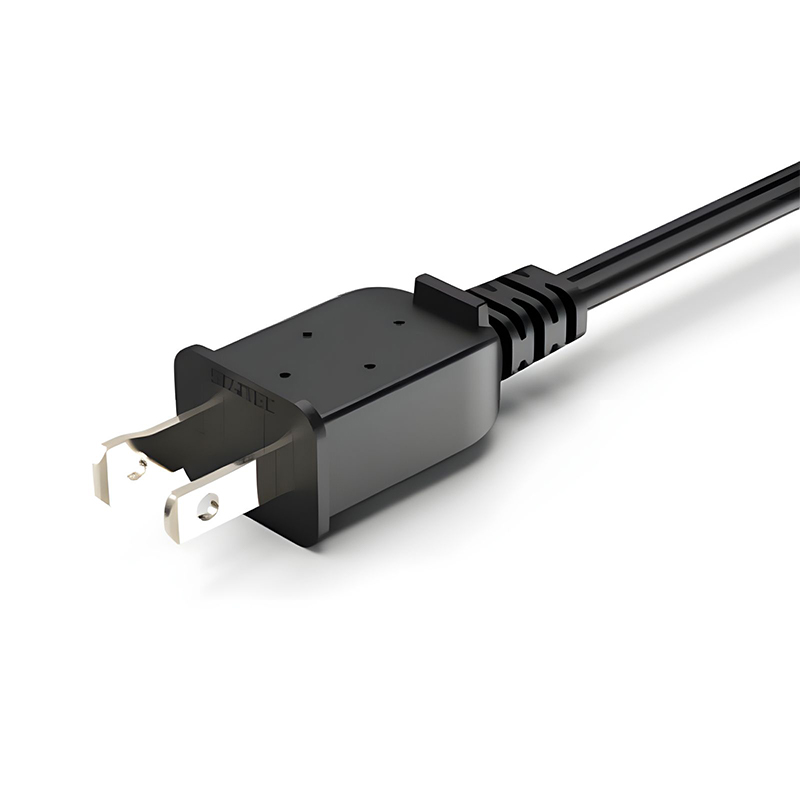
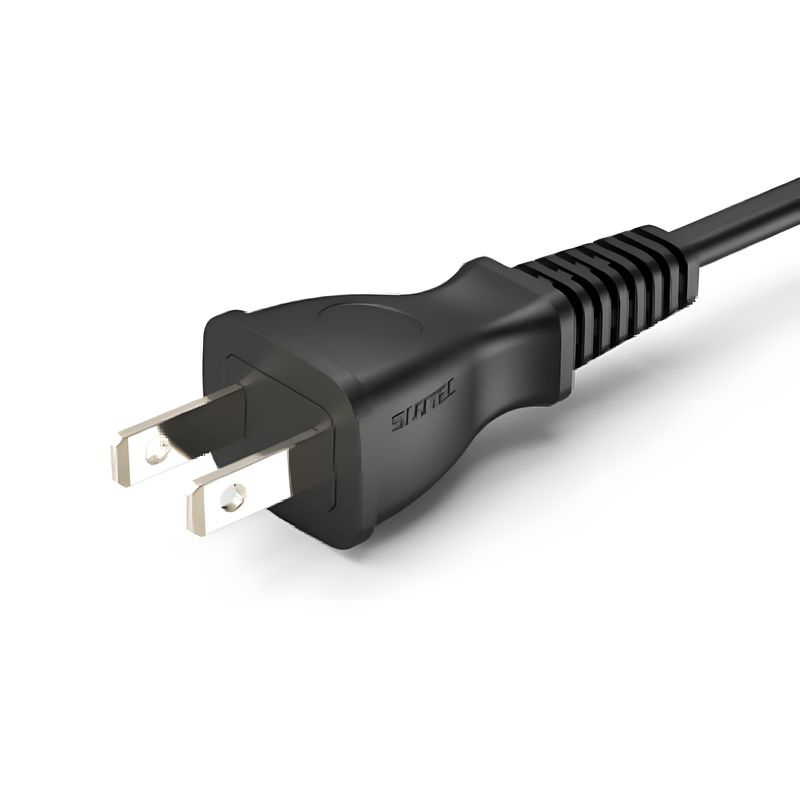
北米では主に、2 つの平坦な平行ピン プラグであるタイプ A と、3 番目の丸いアース ピンを追加したタイプ B が使用されます。どちらも一般的に、標準家庭用として NEMA 5 15 というラベルに分類されます。
EU 電源コードのプラグのスタイル
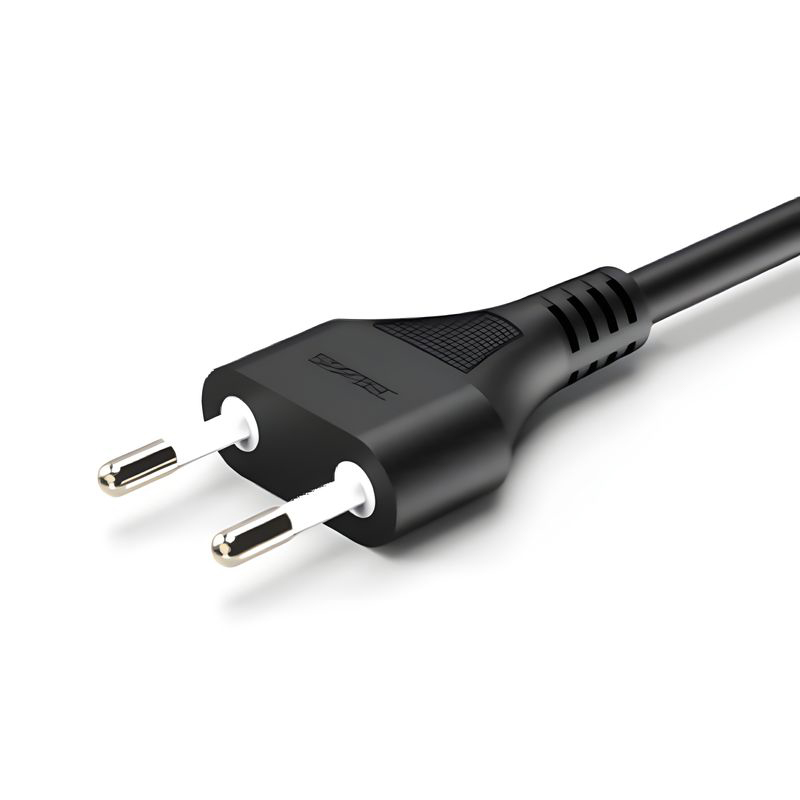
Continental Europe primarily uses タイプC, a two round pin plug known as the Europlug, and タイプF, which adds two grounding clips on the sides, commonly called Schuko.
| 地域 | プラグの種類 | ピンのスタイル |
|---|---|---|
| 米国 | タイプA | フラットピン 2 本 |
| 米国 | タイプB | フラットピン 2 本 plus round ground |
| 欧州連合 | Type C | 丸ピン2本 |
| 欧州連合 | Type F | 丸ピン2本 plus side ground clips |
電圧と周波数の違い
物理的なプラグの形状を超えて、米国の電源コードの背後にある電気仕様と、 EU電源コード 大幅に異なります。
米国の標準家庭用電圧は 60 Hz で 120 ボルトですが、欧州連合のほとんどの地域では 50 Hz で 230 ボルトで動作します。 これにより、同じ形式のコンセントの米国の電源コードと比較して、EU の電源コードを通じて供給される電圧がほぼ 2 倍になります。
This matters because a device rated only for 120 volts can be damaged if plugged directly into a 230 volt EU outlet, and the reverse can leave a 230 volt device underpowered or unable to start on a 120 volt US supply. Many modern electronics, such as laptop chargers and phone adapters, are built as dual voltage devices that automatically handle both ranges, but this is not true of every appliance, particularly items with motors or heating elements.
ワイヤーの色分けとコードの構造
内部ワイヤの色分けも、米国の電源コードと EU の電源コードで一般的に異なるもう 1 つの領域です。
- 米国の電源コードs 通常、ライブには黒、ニュートラルには白、グラウンドには緑または裸の銅を使用します。
- EU電源コードs 通常、広く使用されている IEC 色標準に従って、ライブには茶色、ニュートラルには青、グランドには緑と黄色のストライプが使用されます。
Cord thickness and connector styles can also vary slightly, since amperage ratings for standard outlets differ between the two regions, with US household circuits commonly rated around 15 amps and EU household circuits commonly rated around 16 amps.
アプライアンスコネクタの互換性
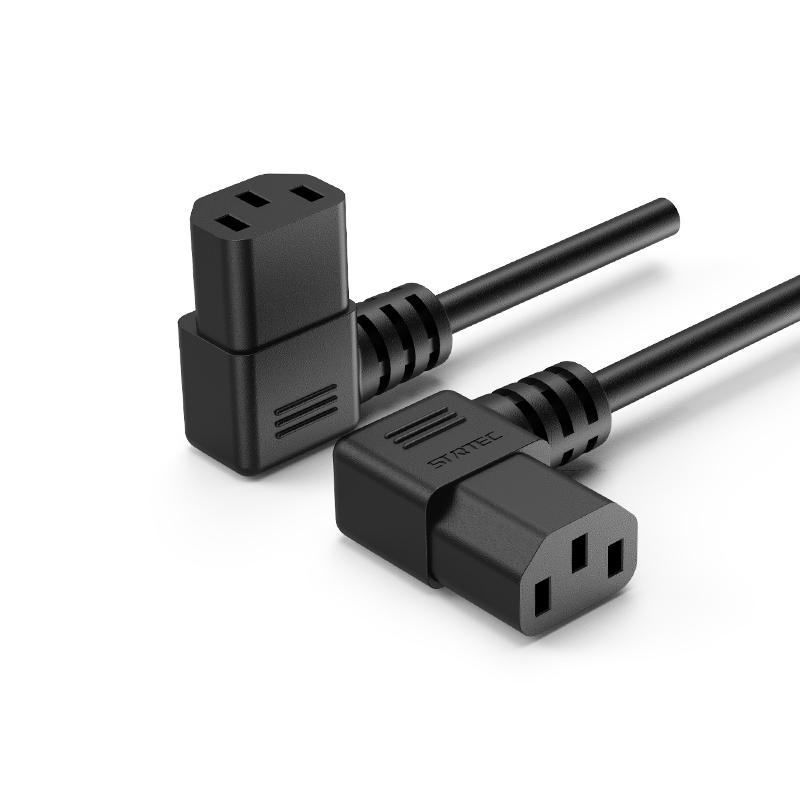
コードのデバイス側では、C13、C7、C5 などのコネクタが両方の地域で使用されており、通常は国際的に標準化されています。 This means the appliance end of a US power cord and an EU power cord can often be identical, even when the wall plug end is completely different. This is why many manufacturers sell a single device with a detachable cord and simply swap the wall plug end for each destination market rather than redesigning the entire cord.
| 仕様 | 米国の電源コード | EU 電源コード |
|---|---|---|
| 電圧 | 120V | 230V |
| 周波数 | 60 Hz | 50 Hz |
| プラグの種類 | タイプA or B | タイプCまたはF |
| ライブワイヤーの色 | ブラック | ブラウン |
お住まいの地域に適したコードの選択
米国の電源コードと EU の電源コードのどちらを選択するかは、デバイスが実際に接続されて使用される場所によって異なります。
- デバイスのラベルにシングル電圧入力範囲が記載されているか、デュアル電圧入力範囲が記載されているかを確認してください。
- 交換用コードを注文する前に、仕向国のコンセントのタイプを確認してください。
- C13 や C7 などのアプライアンス側のコネクタをデバイスのインレットに合わせます。
- 二重電圧定格ではないデバイスの場合は、単純なプラグ アダプターに依存しないでください。
- リージョン間を移動するときは、元のコードがデバイスの仕様に適合しているため、元のコードを手元に置いてください。
米国および EU の電源コードに関するよくある質問
アダプターのみを使用して米国の電源コードを EU のコンセントで使用できますか
プラグアダプターはピンの形状を変更しますが、電圧は変更しません。これを使用すると、米国の電源コードを EU のコンセントに物理的に適合させることができますが、デバイスは依然として 230 ボルトをサポートする必要があり、サポートしていないと正しく機能しない可能性があります。
すべての EU 諸国は同じ電源コード規格を使用していますか?
Most EU countries use Type C or Type F outlets and 230 volt supply, though a few, such as Ireland, use Type G, which is shared with the United Kingdom.
一部のデバイスが変更を加えずに米国と EU の両方の電源で正常に動作するのはなぜですか
Devices labeled as dual voltage, common in laptop chargers and many electronics, are built with internal circuitry that automatically adjusts to either 120 volts or 230 volts.
アプライアンスのコードの端は米国バージョンと EU バージョンで異なりますか
そうでないこともよくあります。多くのデバイスは、アプライアンス側で世界中で同じ C13、C7、または C5 スタイルのコネクタを使用しており、壁のプラグの端のみが地域によって異なります。
120 ボルトのみのデバイスを 230 ボルトの EU コンセントに接続するとどうなりますか
内部コンポーネントは高電圧に対応できるように作られていないため、これによりデバイスが過熱したり永久的な損傷を与えたりする可能性があります。

著作権© 2026 by Cixi Wanneng Electron Co.,Ltd. Rights Reserved. 電源コードおよび関連部品の卸売メーカー 中国の電源コード部門メーカー
